
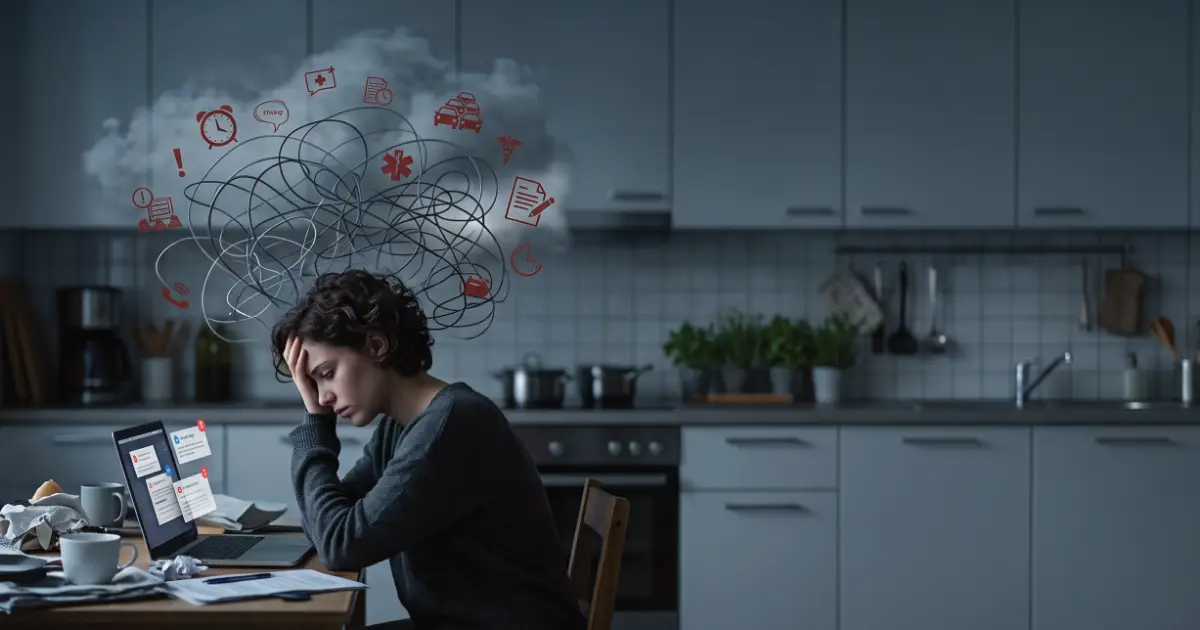
Stress Management: Symptoms, Daily Hassles, and Long-Term Health Impacts
" Stress is the body's natural response to environmental demands. Learn to recognize the signs of chronic stress and discover evidence-based paths to relief. "
Stress consists of intense environmental or psychological demands that compel the human body to mobilize its internal resources, leading to immediate biological, physical, and cognitive reactions. When confronted with a stressor, our body responds automatically, triggering a massive activation of the sympathetic nervous system (while the parasympathetic nervous system engages later to restore biological homeostasis).
According to clinical guidelines from the Mayo Clinic, short-term stress can be highly adaptive, motivating us to successfully navigate a challenge (e.g., an examination, interview, or presentation). However, when stress becomes chronic, its systemic effects on human health are all-encompassing and severely damaging.
Primary Somatic Symptoms of Stress
The activation of the “fight-or-flight” survival mechanism induces rapid changes in our organ functions. An individual suffering from acute or prolonged stress typically experiences the following symptoms:
- Accelerated Heart Rate (Tachycardia): The heart pumps faster to rapidly distribute oxygenated blood to skeletal muscles.
- Elevated Blood Pressure: Blood vessels constrict, instantly raising systemic blood pressure.
- Short and Shallow Breathing: Hyperventilation intended to maximize oxygen intake for immediate physical defense.
- Increased Hormone Secretion: Rapid release of adrenaline, noradrenaline, and cortisol (the primary stress hormone) from the adrenal glands.
- Pupillary Dilation (Mydriasis): Widening of the pupils to allow more light, improving visual focus on potential danger.
- Inhibition of Saliva and Digestion: The mouth goes dry and gastrointestinal functioning freezes, as the body redirects all metabolic energy toward survival.
Stressors: From Major Life Events to “Daily Hassles”
Most individuals associate stress exclusively with monumental, life-altering events, such as bereavement, divorce, severe clinical illness, or a massive financial crisis. However, clinical evidence demonstrates that chronic stress is equally sustained by smaller, repetitive conditions known as “daily hassles.”
These minor, recurring annoyances operate cumulatively, eroding the psyche and emotional well-being day by day:
- Excessive Occupational Loading: Time pressures, rigid deadlines, and overwhelming workplace demands that gradually culminate in Burnout Syndrome (Occupational Exhaustion).
- Loss of Everyday Items: Minor incidents such as misplacing house or car keys, wallets, or smartphones, particularly when rushing to meet a scheduled obligation.
- Environmental Factors: Persistent noise from neighboring properties, traffic congestion, commuting delays, or a lack of adequate personal space.
When multiple daily hassles occur simultaneously and repetitively, the body lacks the required window to fully decompress. Consequently, it remains trapped in a state of low-grade biological arousal, which systematically depletes the immune system over time.
Navigating Toward Stress Relief and Recovery
Chronic stress is not something you should simply tolerate as an inevitable part of modern life. If your daily routine has devolved into an endless checklist of obligations, or if you frequently experience stress headaches, chronic muscle tension, gastrointestinal distress, or constant irritability, your body is flashing a warning sign.
Through individual psychotherapy sessions, you will learn to identify your specific, idiosyncratic stressors, modify the cognitive distortions that magnify everyday complications, and implement proven relaxation and time-management techniques. Reclaiming your emotional peace and overall quality of life is entirely achievable.